
O Level Geography is a rigorous course that entails that a student exerts mastery of physical as well as human geography topics, practical case studies as well as investment in the strategies of responding effectively. Most students would not create difficulties due to their inadequate effort, but because they do not know how to organize texts, analyze information, or use illustrations. It is at this point that extra help in the form of academics can come in handy.
Learning in small groups has gained popularity among secondary school learners who are going to national exams. However, is it even worth the investment? Now, we can discuss the main advantages and points.
Personalised Attention in a Supportive Setting
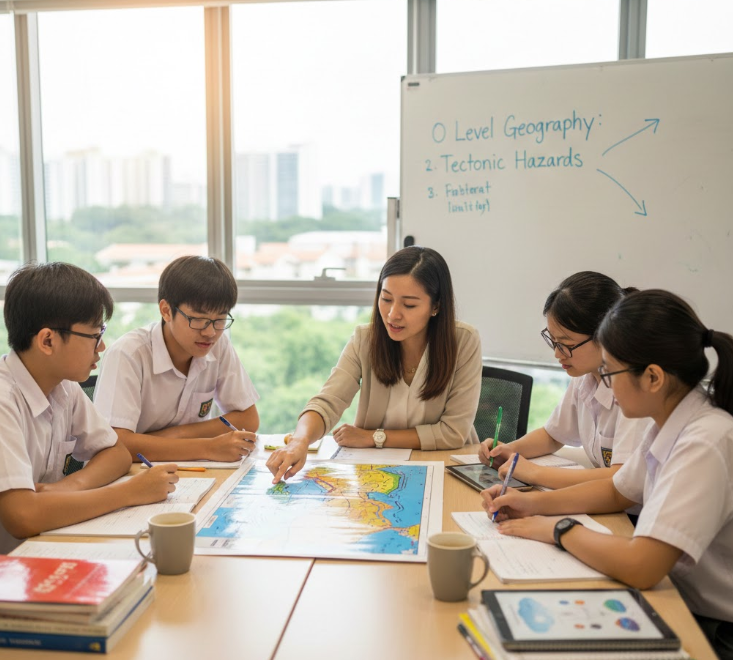
Individual attention and collaborative learning is one of the greatest benefits of small group classes. Tutors can sit close to a group of four or eight students and monitor the progress of the students closely. They are able to locate the weak points in the areas of tectonic hazards, climate change or urban development and offer specific advice.
Students are now able to ask questions more easily as opposed to the big classroom setting. This establishes a comfortable environment in which miscommunication can be explained right away. Students enrolled in O level geography tuition can get direct and targeted explanations and practice, which are devoted to the exam requirements.
Interactive Learning and Active Participation
Geography is not the memorising of content but it involves application and analysis. Small group environment promotes discussion, peer learning and problem solving. Through this, students are exposed to multiple formats of answering questions and viewpoints when they are discussing case studies or when they are trying structured questions in an educational setting with one another.
Active involvement aids in furthering the knowledge. The students do not just listen to a lecture, but they have to learn the material in timed practices, feedback, and group reviews. This interaction enhances critical thinking ability and increases confidence on pre-examination.
Improved Exam Techniques and Time Management
Far too many students fail to answer questions effectively and thus lose marks despite the fact that they do not necessarily lack knowledge. There are special methods involved in structured questions and essays such as clarity of explanation, relevancy of examples used and adequate assessment. Breaking down the requirements of questions and modelling answers that score high can be done by a small group of tutors.
With the help of frequent exercises and feedback, students know how to control their time and organise their answers. A small group based O level geography tuition is often strongly exam oriented so that by the end of the tuition a student can have mastered command words, marking schemes and types of common questions.
Motivation and Accountability
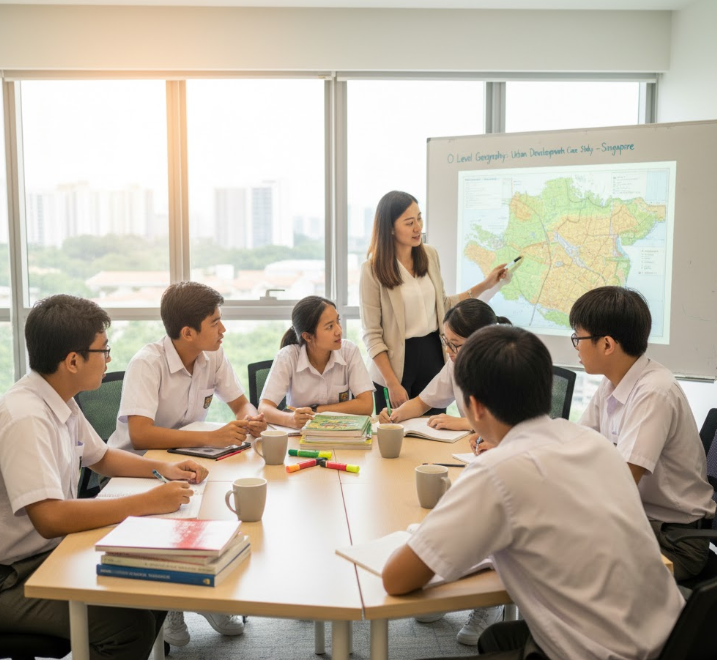
Sometimes, the study by itself may result in some kind of procrastination or a lack of direction. Students in a small group are surrounded by other students who are pursuing the same objectives. This will provide an inspiring atmosphere where healthy competition will stimulate regular effort.
Frequent assignments, feedback and tracking of progress also assist students in being accountable. As they gain and realise improvement in their grades and comprehension, they gain confidence. This positive reinforcement may greatly boost performance over time.
Is It Worth It?
Finally, small group learning can be justified or not, depending on the needs of the student and their learning style. O level geography coaching in a small group can be very useful to those who need systematic instructions, individual feedback, and regular practice of exams. It has the benefits of 1 on 1 support and the power of collective learning.
Small group tuition can become an investment worth making in the academic achievements of those students who want to ensure that they master their content better, polish their exam techniques and also have confidence before their O Level examinations.