
Introduction
Geography is a fascinating subject that covers the physical environment, weather patterns, population patterns, and environmental concerns. It provides students with a view of the world they live in and explores many aspects of living in and being part of it. Geography can be difficult for students because it involves a lot of factual work, maps, data, case studies, and extended writing.
If students struggle with the varied aspects of the topic, it is not long before they lose faith, avoid participating in lessons, and begin to look at their exam, fearing defeat. This is where dedicated support from an expert can really come into its own. A Geography Tutor can help students overcome any difficulties in absorbing the course material, review the subject area, and start to believe in their capacity to do well.
Understanding Individual Learning Needs
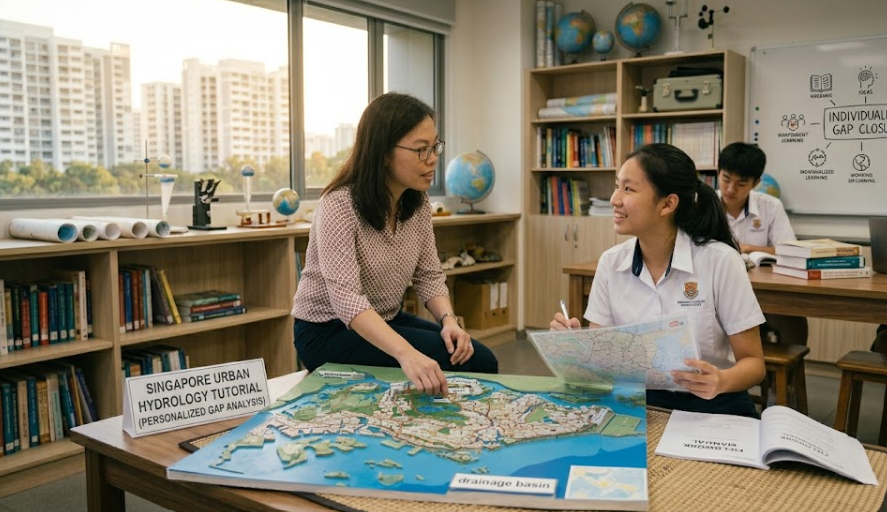
Not all learners learn in the same way. Some learners may understand the geographical ideas but find it difficult to interpret maps and graphs. While some learners find it really difficult to apply geographical theory in exams.
In an ordinary classroom, teachers do not have enough time to meet the individual needs of their students. Small learning gaps, if left unaddressed, can become significant issues over time.
A tutor provides dedicated tutorials that focus on the student. Lessons can be personalized to suit various learning styles, so the student is given materials he can understand and relate to. The end result is better learning and greater enjoyment for the student.
Building Confidence Through Better Understanding
Confidence and understanding are very closely related. The relationship between the two is obvious: students will be naturally confident when they understand what they are doing; they are prepared for class discussions, assignments, and examinations.
One of the most valuable parts of one to one teaching is the chance to ask questions in a safe space. When learners develop well and don’t make major mistakes their understanding will develop quickly and they’ll be more confident and eager to get involved.
The more knowledge pupils have, the more prepared they are to participate in lessons, contribute opinions and work hard on challenging tasks. Regular, small academic victories create a confident mindset. Confidence breeds effort, which breeds more confidence.
Improving Academic Performance
Getting good grades academically is rarely a matter of memorizing facts. Courses such as Geography require thinking based on evidence, data, and their consequences.
Tutors support this advanced learning by helping students develop each of these skills. This support can take the form of simpler explanations of a difficult topic more tailored practice problems or repeated revisits of key concepts.
Regular tutoring sessions encourage consistency. Revision should be more thorough and regular rather than panicked cramming just before an exam. Regular revision also helps ensure enough sleep, rather than sacrificing it to cram for exams, and greatly reduces stress levels. The positive effects are clearly evident from the coursework marks.
Many students see a dramatic increase in their grades when they are given direct support and a bit more guidance.
Developing Critical Thinking Skills
Learning about different countries, rivers, and mountain ranges is not the only aspect of studying Geography. It also encourages the development of critical thinking about local and international issues such as global warming, migration, rapid urbanization, sustainability, and natural resource exploitation, to name a few.
A knowledgeable instructor can help students learn these challenging ideas. They can present a forum for conversation and help steer interpretation and autonomous thinking. Students can learn to evaluate and differentiate evidence, identify recurring themes, and develop reasonable rationalizations.
These critical thinking skills will help you not only in Geography but many other subjects in school and in the working world you go to later in life. Students begin to become more confident with what they are doing.
Strengthening Examination Techniques
In addition, some students can cover most of the geographical content but fail to achieve the grades they would like due to a lack of examination skills. For instance, students often misread the question, write an answer for half of it and leave the other half unanswered, and struggle with their timing.
Tutors define what examiners are looking for. They explain how to approach different types of exam questions, organize extended responses, and use case studies.
Students’ access to exam papers and supportive commentary on their practice responses will deepen their understanding of test formats. Being well-prepared will reduce students’ nervousness and boost their confidence when taking tests.
Encouraging Independent Learning
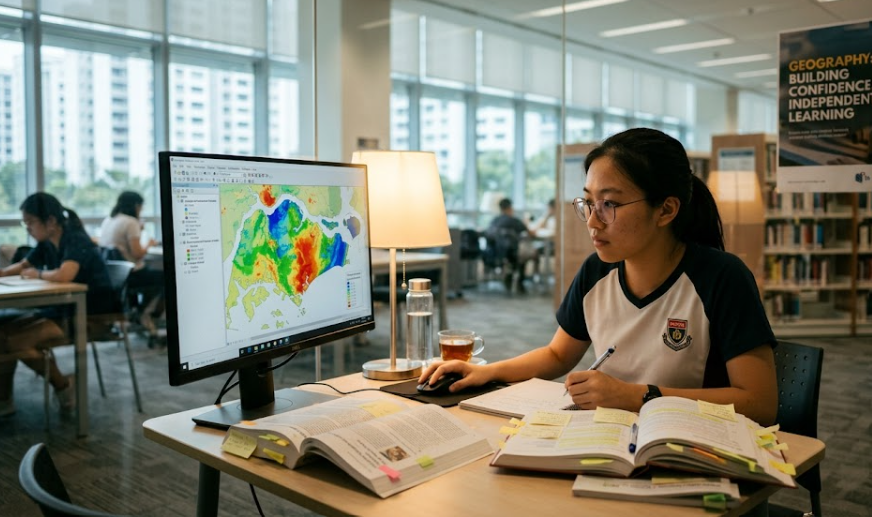
A further long-term objective of tutoring is self-reliance. A good teacher is not just telling the student the answer but trying to teach him how to analyze a question, do research, and assess information on his own.
This is important for Geography, as students often have to produce reports on current issues, interpret statistics and make judgments based on evidence.
As students apply their study techniques to research and become more proficient researchers, their confidence in learning independently will grow. They will be more confident in taking it on and encouraged to learn more at the end.
Creating a Positive Attitude Towards Learning
Students who are struggling with a subject may develop negative associations with that subject,, e.g.,, failure and discouragement, which can ultimately affect the student’s achievement and motivation.
This positive attitude can be helped with individual attention, as students, through understanding the problems and observing their improvement, start to look forward to studying. Geography appears to be interesting and fun.
A positive learning environment promotes curiosity, involvement in the learning process, and willingness to learn other subjects. Learners are motivated when they can monitor their progress and evaluate their capabilities.
Supporting Long-Term Academic Success
Tutor time has a wide range of applications, not just more A’s! So what can this skill achieve:: improved confidence, effective study tactics, a broader range of analytical skills,, and effective techniques that produce higher exam marks.
While these skills will help in many other subjects, the real value lies in helping students to learn more effectively as they develop; for example, being a confident learner, prioritizing deadlines and thinking critically will all be advantageous in higher education and beyond.
Individual tutors should be able to bring their strengths to identifying ‘students’ needs and lay a foundation for their future success based on coaching and motivation.
Conclusion
Self-esteem is very much linked to GCSE results. This is obviously noticeable in a wide, complex subject like Geography. As soon as learners begin to struggle with certain aspects of class and start losing marks on their tests, self-esteem can influence their progress.
A Geography Tutor might be of assistance with one-to-one tuition in certain aspects of the subject, revision for tests and exams, refreshing a child’s knowledge, or supporting independent learning. Once children become more settled in their subject knowledge, they become more positive about their work and take a more confident approach.
The impacts are numerous and notable: higher test scores and trust and perseverance. All too frequently through tutoring an individual can access the best in themselves and develop a solid base for longevity.